
The quick answer
Study Fincher by tracking control, camera grammar, suspense, casting, adaptation, and routine as practical directing choices rather than as style to copy.
A ranked movie list is fun, but a filmmaker needs a different question: what choices can be studied, adapted, or rejected on a real set?
For Reel Magic, the focus is craft transfer. Study control, camera movement, casting, adaptation, and routine, then convert each observation into a decision a small production can actually use.
That means treating David Fincher, camera grammar, and suspense as working production choices, not as a look to imitate blindly.
The fastest production documents are the ones nobody has to explain twice.

Watch the workflow
David Fincher Shares Great Directing Advice
Submit your FEATURE Film Screenplay: https://www.outstandingscreenplays.com/competitions-feature Have an idea for a TV ...
Separate style from usable process
Fincher is useful to study because his films show unusually confident control over film language and precision.
Do not copy Fincher’s surface style. Pull out the repeatable habit behind it: precise framing, controlled information, and a clear reason for every camera move.
- ▸David Fincher
- ▸camera grammar
- ▸suspense
Study constraints as part of the film
Useful examples include Alien 3's studio pressure, Panic Room's camera movement through walls, Gone Girl's adaptation and casting choices, The Game's wider framing and neutral camera grammar, and The Killer's routine and professional detachment.
The useful study work starts when you connect the finished scene to the limits around it: studio pressure, location geography, performance control, and what the camera can reveal without extra dialogue.
- ▸David Fincher
- ▸camera grammar
- ▸suspense

Turn camera movement into story information
Instead of copying a ranking format, turn each observation into a practical study method you can test on a script, shot list, or rehearsal plan.
When the camera moves, ask what new story information appears because of that move. If the answer is only “it looks stylish,” the lesson is probably not ready for your own shot list yet.
- ▸David Fincher
- ▸camera grammar
- ▸suspense
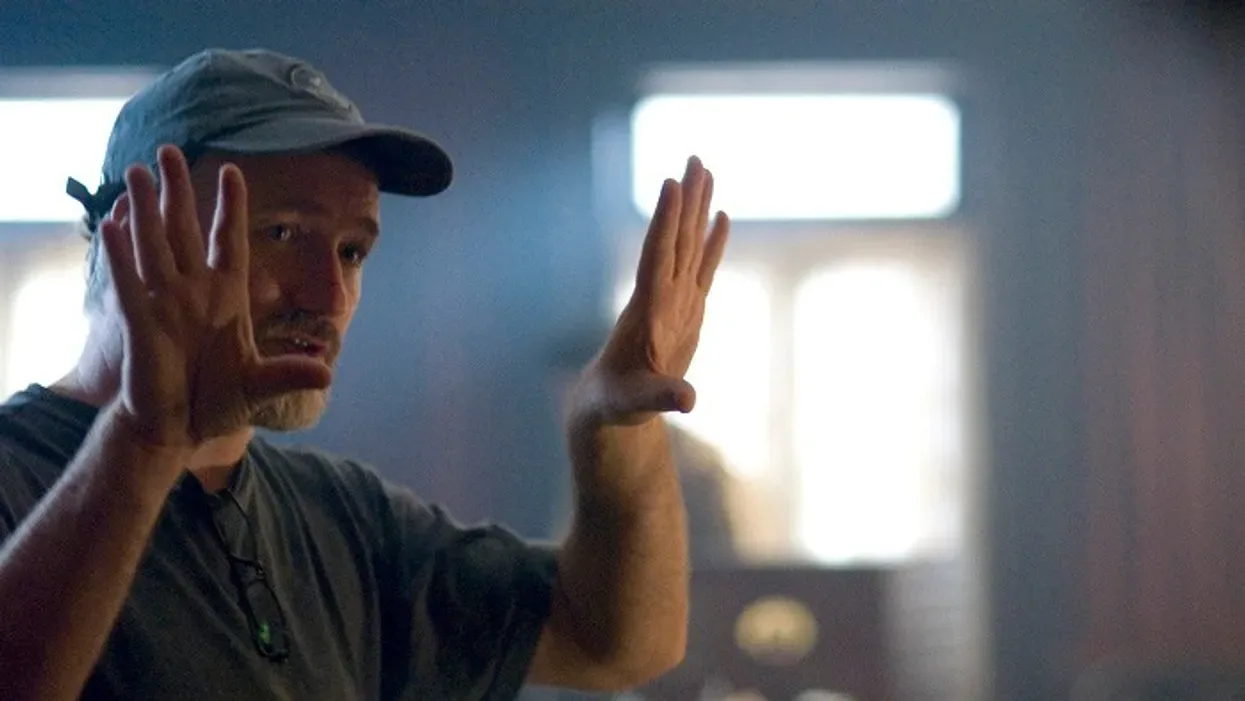
Learn casting and adaptation decisions
Look at casting and adaptation as directing decisions, not trivia. In Gone Girl and other Fincher work, performance control, withheld information, and tonal consistency shape how much pressure each scene can hold.
Casting and adaptation choices are part of the directing system too. Track how restraint, tone, and character control shape the scene before thinking about lenses or coverage.
- ▸David Fincher
- ▸camera grammar
- ▸suspense
Frequently asked
Should indie filmmakers copy Fincher's visual style?
No. Study the decision logic behind precision, camera grammar, suspense, and casting, then adapt only what solves your production's story problem.
What is the best way to study one director?
Watch a single sequence repeatedly and track camera position, information release, performance restraint, sound, and editing choices.
How can a low-budget film use these lessons?
Plan geography, motivated camera movement, casting expectations, and tonal rules in pre-production so execution is controlled even with limited resources.