
The quick answer
Help indie filmmakers use script breakdowns to surface real production needs before scheduling, staffing, and buying decisions drift into guesswork. Keep cashflow, actual spend, and open purchase orders in the same daily view so creeping overages show up early.
Bad schedules usually start with bad assumptions, and bad assumptions often start with a script that was never broken down hard enough to show what the pages are really asking for.
The fix is not more paperwork for its own sake. It is a breakdown process that forces production reality onto the script early enough to matter.
That means keeping the working budget, open commitments, and actual spend in one routine the production team can update quickly under pressure.
The fastest production documents are the ones nobody has to explain twice.
Watch the workflow
4 Steps To Analyze Any Script For An Audition (WITH EXAMPLES)
In this video, we dive deep into text analysis for actors, offering practical tips on how to break down a script to enhance your ...
Read for production pressure, not just story
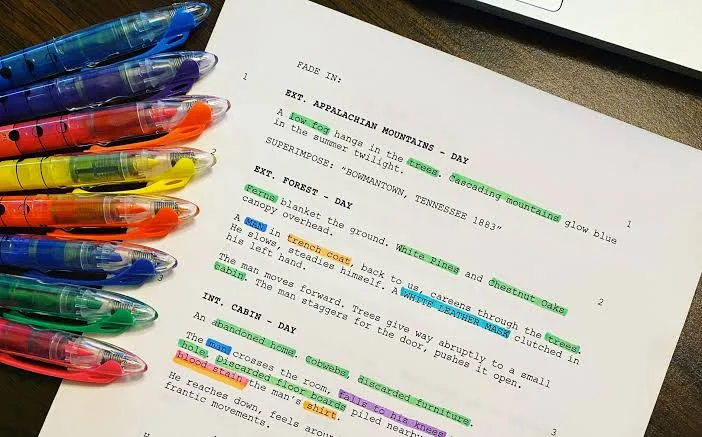
Read each scene for production pressure, not just plot. Locations, props, vehicles, extras, stunts, weather, night work, and special gear all become scheduling problems if they are not tagged early.
A good breakdown turns hidden page details into visible prep decisions before departments start making assumptions.
- ▸Breakdowns matter because schedules and budgets inherit whatever details get missed.
- ▸Production elements should be surfaced before departments start making assumptions.
- ▸A usable breakdown is simple enough to guide actual prep decisions.
Tag the elements that actually move cost and time
Tag the elements that actually move time and money: company moves, child actors, animals, picture vehicles, complicated wardrobe, effects, and anything that needs a specialist.
Those tags give the assistant director and producer a shared map before the first schedule draft starts pretending every scene costs the same.
- ▸Breakdowns matter because schedules and budgets inherit whatever details get missed.
- ▸Production elements should be surfaced before departments start making assumptions.
- ▸A usable breakdown is simple enough to guide actual prep decisions.
Use the breakdown to challenge the schedule early
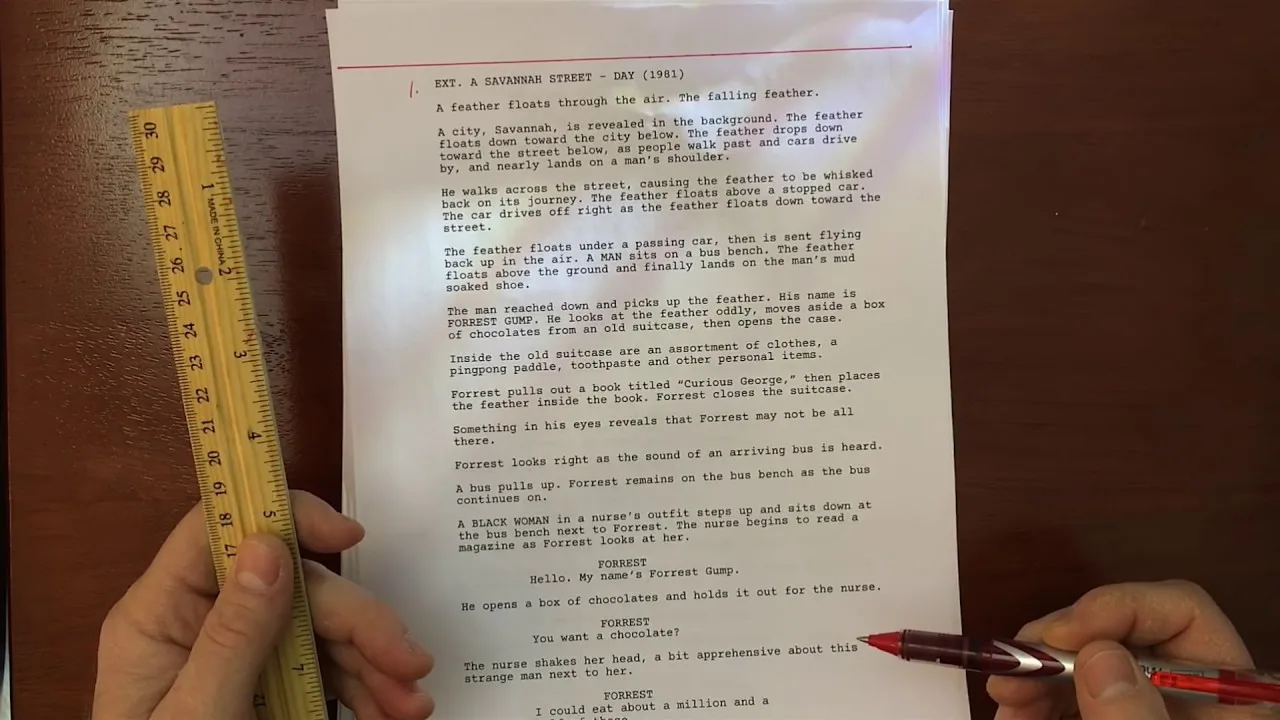
Use the breakdown to challenge the schedule while changes are still cheap. If one day is carrying too many hard elements, move the problem before crew calls, permits, or rentals lock it in.
The goal is not a perfect color-coded sheet; it is a prep document that makes weak assumptions visible.
- ▸Breakdowns matter because schedules and budgets inherit whatever details get missed.
- ▸Production elements should be surfaced before departments start making assumptions.
- ▸A usable breakdown is simple enough to guide actual prep decisions.

Keep the system lean enough for a small crew to maintain
Keep the system lean enough for a small crew to maintain under pressure. A breakdown nobody updates after the first meeting quickly turns into decoration.
Use clear tags, one shared naming rule, and short department notes so the schedule, budget, and crew asks stay connected.
- ▸Breakdowns matter because schedules and budgets inherit whatever details get missed.
- ▸Production elements should be surfaced before departments start making assumptions.
- ▸A usable breakdown is simple enough to guide actual prep decisions.
Frequently asked
What should a film cashflow tracker show every day?
It should show what has already been spent, what is committed but not yet invoiced, and which budget lines are moving faster than planned. On a small show, the daily view matters more than a polished recap because the team still has time to cut, swap, or postpone costs.
Why keep a purchase-order log separate from actual spend?
Because approved commitments can sink the budget before the invoice lands. A purchase-order log lets production count vendor holds, rentals, orders, and other committed costs early, so the remaining available budget is not overstated.
How do small overages usually get missed on low-budget shoots?
They get missed when transport, meals, expendables, petty cash, and last-minute rentals are tracked in different places and only reconciled later. Each spend looks harmless by itself, but together they create a real drift that the team notices too late.