
The quick answer
Bollywood is the Mumbai-centered, Hindi-language part of India's much larger film industry. Its identity grew through major stars, influential screenwriters, genre-mixing masala films, and newer work that addresses social issues and experiments with realism.
Bollywood refers to the Hindi-language film industry centered in Mumbai, not to every movie made in India. India also has major Bengali, Telugu, Tamil, and other regional film industries with their own languages, stars, and traditions.
Its international image is often tied to expressive visuals, music, dance, romance, and large-scale spectacle. That picture is only part of the story: Bollywood has also been shaped by crime dramas, star-led blockbusters, influential screenwriters, social-issue films, and filmmakers moving toward more intimate realism.
The most useful way to understand Bollywood is to follow how history, language, star power, screenwriting, and genre changed together—from Raj Kapoor and Dilip Kumar to Salim-Javed, Amitabh Bachchan, the masala cycle, and modern directors such as Anurag Kashyap and Zoya Akhtar.
Bollywood is one part of India's larger, multilingual film culture rather than a name for all Indian cinema.
Watch the workflow
40 Hidden Details & Film References | The Bads of Bollywood
This time, 5ocial brings you a video on the Netflix Series, The Bads of Bollywood. Here we will decode all the hidden details and ...
What Bollywood means and where it is based
Bollywood is the Hindi-language sector of the Indian film industry. There are several other film sectors within India, such as those of South India and Tollywood, but none are as big as Bollywood.
Where is Bollywood actually located? The epicenter of Bollywood is in Mumbai (formerly Bombay).
Why is it called Bollywood? The term Bollywood is a riff on Hollywood + Bombay, much like other global film markets such as Nollywood and Chinawood.
Bollywood style and its place within Hindi cinema
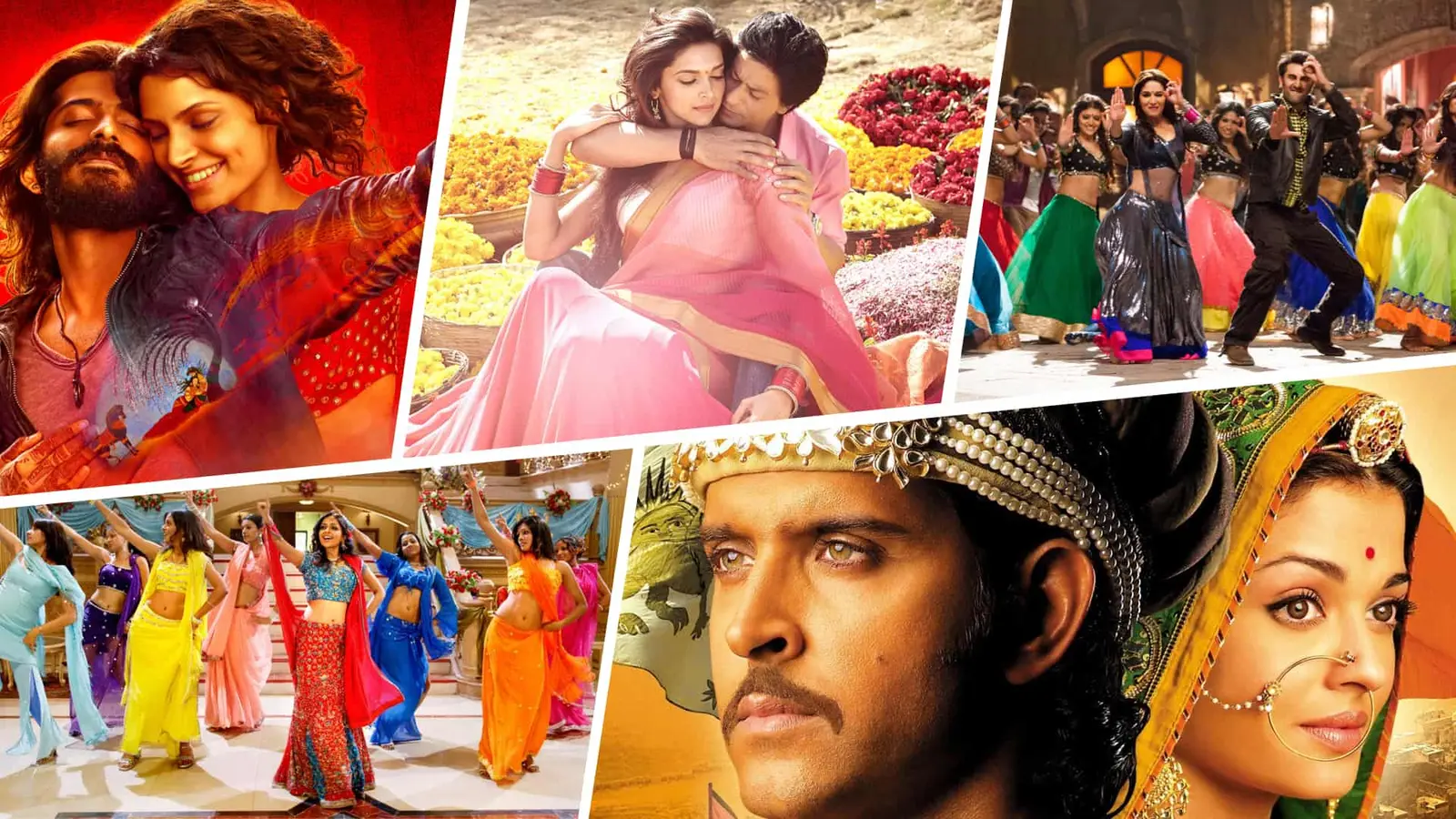
Bollywood style is defined by expressive visuals and elaborate song and dance routines. But over the years, Bollywood has become an industry with diverse stories with global appeal.
Nowadays, most film scholars refer to Hindi-cinema and Bollywood as separate entities. But if there's one thing we know for sure, it's that the sheer quantity of films in India, whether it be in the Hindi-language or otherwise, are enough to satiate even the most ardent of movie fans.
We've defined Bollywood as the Hindi-language sector of India's movie industry, and shown a few examples of some of its most popular films, but there's a lot more to Bollywood than just language.
Historical roots and the growth of regional film industries
Here's an excellent video on the differences between Bollywood vs Hollywood and how they work.
To fully understand where Bollywood is today, we have to look back at where it started. From 1858 to 1947, India was under British rule, as such, Bollywood was heavily influenced by Western culture.
The partition of India gave independence back to the people, consequently liberating the creativity of an entire culture. In response to the partition, Indian cinema exploded into a scatterplot of different directions. The Bengali film industry veered into a perspective on realism, which was made famous by writer/ director Satyajit Ray.
How star power shaped mainstream Hindi cinema
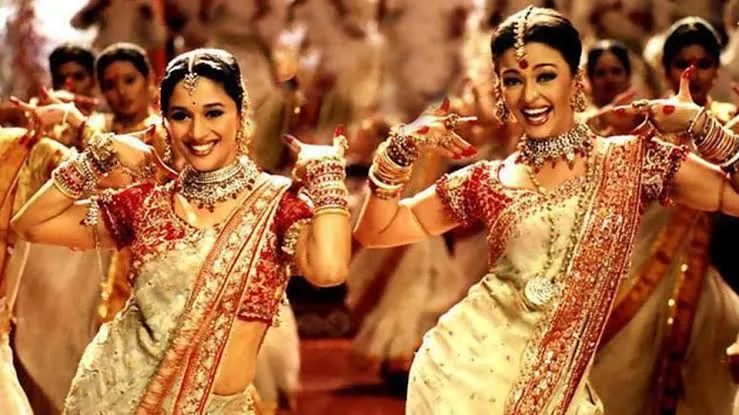
On the other hand, Hindi-language films became popular in the mainstream, with stars such as Raj Kapoor and Dilip Kumar becoming major celebrities. This next video shows the lasting impact Dilip Kumar has had on India's movie industry.
Kapoor and Kumar, among other stars of the time, were so famous that their association with a film could cause it to "sink or swim" at the box office. Just like Hollywood, Bollywood thrives on star power.
The importance of star power for Hindi-language films only continued to grow in the years following Kapoor's and Kumar's works. Today, many would argue that movie stars in Bollywood are more important to their film's financial success than anywhere else, including Hollywood.
From regional expansion to the rise of screenwriters
Hindi-language films and Bengali films continued to grow apart from one another until the 1970's when they split altogether, and solidified as Bollywood and Tollywood, respectively.
In addition, smaller film sectors began to take shape, such as the Telugu and Tamil markets in South India. Films across India started to re-release in different regions with dubbed vocals to widen their appeal.
Bachchan's generation of Bollywood set a precedent that movies were more than just their stars, a point proven by the considerable fanfare behind the works of Salim Khan and Javed Akhtar, two screenwriters who revolutionized Bollywood in the 1970s.
How masala films made genre mixing a Bollywood signature
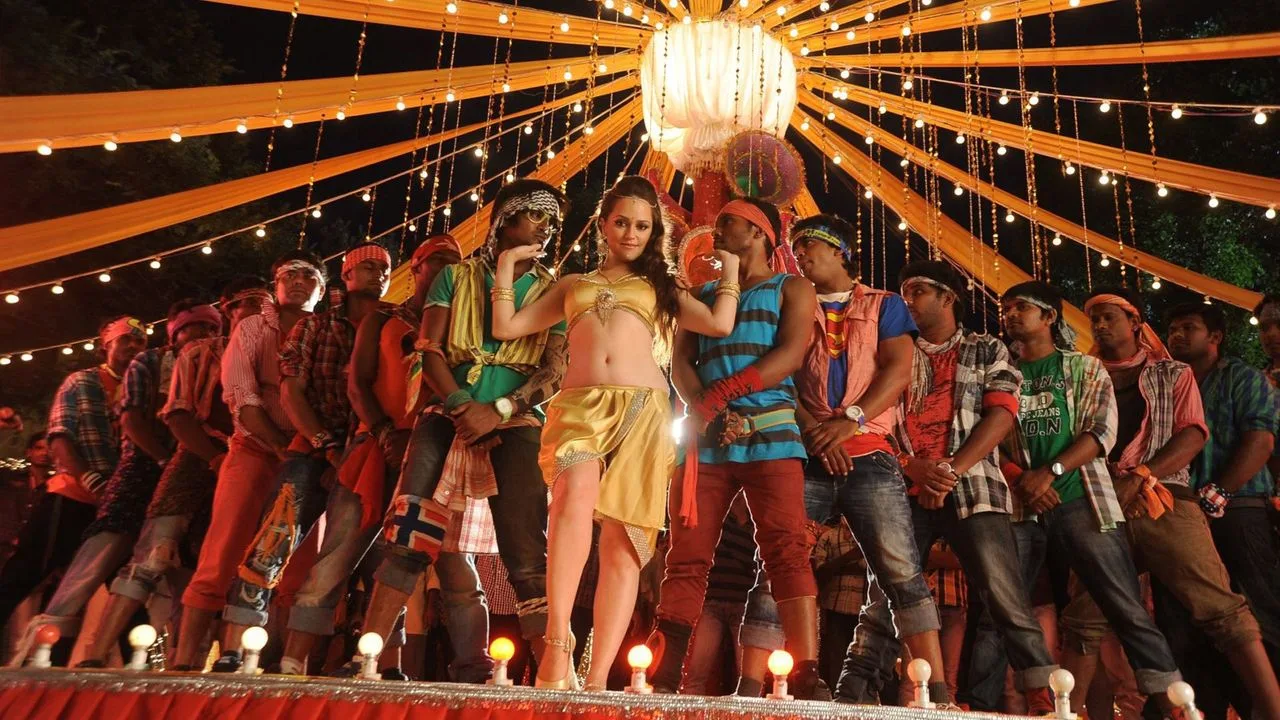
Masala cinema mixes several genres in one film, much as a spice blend combines distinct flavors. A single story may move between romance, family drama, comedy, action, crime, melodrama, and musical spectacle rather than staying inside one narrow category.
Linking the rise of genre mixing to the growing influence of screenwriters as well as stars and directors.
Masala became one of Bollywood's most recognizable forms, especially outside India, but it should not be treated as the definition of every Hindi-language film. Crime dramas, social films, romances, realistic stories, and smaller character pieces also belong to the industry.
- ▸Masala films combine genres instead of following one category from beginning to end.
- ▸Songs and dance may be important, but action, romance, comedy, crime, and family drama can share the same story.
- ▸Yaadon Ki Baaraat is a useful historical example of the form's early popular success.
Bollywood today: major stars, realism, and social themes
Bollywood remains a star-driven industry. Aamir Khan, Salman Khan, and Shah Rukh Khan are commonly grouped as the three Khans, while Amitabh Bachchan has remained a major name across generations. Their prominence shows that performers can still shape financing, marketing, and audience expectations.
At the same time, contemporary Hindi cinema is not limited to star vehicles or traditional masala films. Director Anurag Kashyap is associated with a move toward darker, more intimate realism, while Zoya Akhtar is part of a generation of prominent women directors working in the industry.
Social themes have also become more visible. The source points to Pink and films such as Pad Man, Well Done Abba, and Antardwand as examples connected with women's rights, inequality, and other public issues. Modern Bollywood therefore includes spectacle and star power alongside realism, social commentary, and changing creative voices.
- ▸The three Khans and Amitabh Bachchan illustrate the continuing importance of star power.
- ▸Anurag Kashyap represents a strand of modern Hindi cinema moving away from conventional masala formulas.
- ▸Pink, Pad Man, Well Done Abba, and Antardwand show how social issues can drive mainstream or award-recognized stories.
Frequently asked
What is Bollywood?
Bollywood is the Hindi-language film industry centered in Mumbai, formerly known as Bombay. It is the largest and most internationally visible part of Indian cinema, but it is only one sector within a multilingual national film culture.
Why is it called Bollywood?
The name combines Bombay, the former English name for Mumbai, with Hollywood. The label points to the industry's Mumbai base, but it does not mean Bollywood is simply an Indian copy of Hollywood; its storytelling traditions, music, stars, and audience history developed in their own context.
Are all Bollywood films musicals or masala films?
No. Songs, dance, romance, spectacle, and masala genre mixing are strongly associated with Bollywood, but Hindi cinema also includes crime dramas, realistic films, social-issue stories, comedies, thrillers, and smaller character-driven work.
Is Bollywood the same as all Indian cinema?
No. Bollywood specifically refers to Mumbai-centered Hindi-language cinema. India also has Bengali, Telugu, Tamil, Malayalam, Kannada, and other regional industries, each with its own language, filmmakers, stars, and traditions.