
The quick answer
A rough cut is an early, complete edit used to judge whether the film works as a story. It comes after the assembly cut and before the fine and final cuts, so temporary music, unfinished effects, loose pacing, and scenes that may still be removed are normal.
A rough cut is the first point at which filmmakers can watch the project as a connected story rather than a collection of individual shots. It is complete enough to reveal pacing, performance, and structural problems, but unfinished enough that the director and editor can still make large changes without treating every detail as locked.
The name can be confusing because productions do not always use the same labels in exactly the same way. The useful distinction is practical: an assembly gathers the selected material, a rough cut tests the whole film, a fine cut narrows the remaining choices, and the final cut is the version prepared for release.
A rough cut is useful because it makes story problems visible while there is still time to change them.
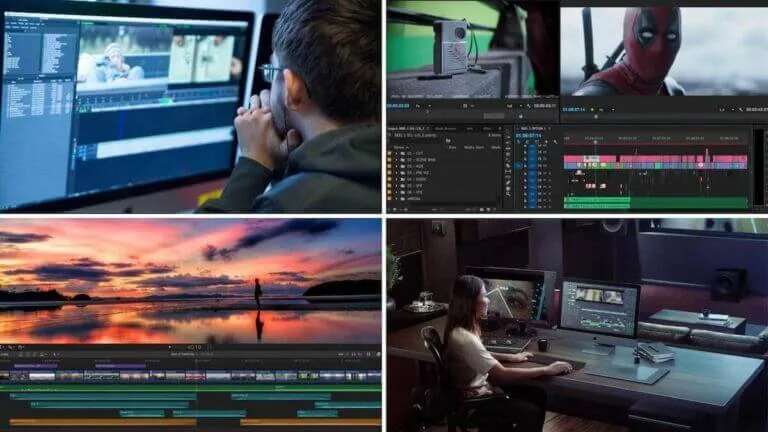
Watch the workflow
Types of Cuts in film editing | Inside Institute of Filmmaking | 2023
An Inside Institute of Filmmaking Production For course related information contact : Inside Institute of Filmmaking M : +91, ...
Assembly cut versus rough cut
An assembly cut puts the chosen footage into script order with very little refinement. Its job is coverage: the editor can see what was captured, how the scenes connect, and where material is missing. Because it retains so much, an assembly may run far longer than the intended film.
A rough cut begins making stronger editorial decisions. Takes are trimmed, scenes are reshaped, and material that does not help the story can be removed. Some crews call the assembly their first rough cut, but the distinction still helps: assembly asks whether the pieces are present, while rough cut asks whether those pieces make a convincing film.
- ▸Assembly: place selected shots in sequence.
- ▸Rough cut: test story, rhythm, and performances.
- ▸Expect both versions to change substantially.
What changes from rough cut to fine cut to final cut
The rough cut leaves room for major choices. A scene can move, shrink, or disappear; a performance can be rebuilt from different takes; and temporary music or unfinished visual effects can stand in while the team concentrates on the film's shape.
By the fine cut, the broad structure is usually more settled and attention shifts toward precise timing, transitions, and smaller continuity issues. The final cut is the completed release version. It should not be confused with a director's cut, extended edition, or alternate version issued later.
- ▸Rough cut: large structural revisions remain possible.
- ▸Fine cut: choices become narrower and more exact.
- ▸Final cut: the release edit is complete.
What a rough cut is meant to reveal
Watching the entire edit exposes problems that are difficult to spot in isolated scenes. The team can judge whether the pace holds, whether performances remain consistent, and whether the story is understandable without relying on what the filmmakers intended viewers to know.
The screening can also show where a pickup shot may be needed, where a scene repeats information, or where a transition does not carry the audience into the next idea. Rough cuts may be shown to a test audience for the same reason: fresh viewers notice confusion and slow stretches that the people closest to the production may no longer see.
- ▸Check story clarity before polishing individual moments.
- ▸Mark pacing and performance issues with a timecode.
- ▸Separate missing-footage problems from issues the edit can solve.

From circle takes and dailies to a working edit
The editing process can begin while photography is still underway. When a director identifies a preferred take, the script supervisor may circle its number in the notes. Those circle takes give the editor a useful starting point, although the editor can compare other takes when a different reading or piece of action serves the cut better.
The traditional workflow moves from reviewing dailies to assembling scenes, screening the rough cut, and revising it repeatedly. Digital playback makes every recorded take easier to review than it was when film processing and synchronization added cost, and an on-set editor can start testing scene construction before the shoot wraps.
- ▸Keep camera, sound, and script-supervisor labels consistent.
- ▸Treat circle takes as guidance rather than an unbreakable rule.
- ▸Review new assemblies while pickups are still possible.
How to organize feedback without chasing every note
Screen the cut from beginning to end before debating individual edits. Ask viewers to identify the moment they became confused, restless, or emotionally disengaged, then collect those reactions with timecodes. A note about an exact solution is less useful than knowing what viewing problem prompted it.
Group notes by story clarity, pacing, performance, continuity, sound, and missing footage. The director and editor can then choose a revision pass with one main purpose, make the changes, and screen the new version again. This keeps contradictory suggestions from turning one timeline into several competing cuts.
- ▸Record the problem and timecode before proposing a fix.
- ▸Combine repeated reactions from different viewers.
- ▸Save a new version before each substantial revision pass.
A workable rough-cut plan for a low-budget team
Small productions gain the most by finding expensive gaps early. Build scene assemblies during the shoot when possible, review critical sequences before leaving a location, and use simple previsualization for action or coverage-heavy scenes. These practices can reveal a missing angle while cast, crew, and equipment are still available.
Do not spend scarce time perfecting color, visual effects, or final music before the structure holds. Use clearly labeled temporary elements, keep the project and media backed up, and direct the limited review time toward story order, pace, performances, and pickups. Polish becomes valuable after the team is confident that the cut itself works.
- ▸Prioritize scenes that would be difficult or costly to reshoot.
- ▸Use temporary sound and images without mistaking them for final work.
- ▸Lock the structure before committing time to finishing details.
Frequently asked
Is an assembly cut the same as a rough cut?
The terms sometimes overlap, but an assembly cut usually places selected footage in order with minimal trimming. A rough cut goes further by shaping scenes and testing whether the complete story works.
Can a rough cut include temporary music or unfinished effects?
Yes. Temporary music, placeholder visual effects, and incomplete sound are normal when the team is still judging structure, pacing, and performance.
What should filmmakers look for in a rough-cut screening?
Look for unclear story beats, slow or rushed passages, inconsistent performances, awkward transitions, and moments that may require a pickup shot.
What is a circle take?
A circle take is a take the director prefers during production. The script supervisor marks it in the notes so the editor can identify it quickly when assembling the scene.
When should a low-budget team start polishing the edit?
After the story order and scene timing are stable. Finishing color, sound, music, and effects too early can waste limited time on material that may still be changed or removed.