
The quick answer
The secret is finding that meaning is identifying an element that best symbolizes your theme. This could be a prop, a song, a line of dialogue — anything that encapsulates your film's message.
A motif is a narrative thread you weave throughout a film—a recurring image, sound, object, or phrase that points toward the story's deeper meaning. When handled with intention, these repeated elements transform an otherwise straightforward script into something layered and resonant.
A useful film guide makes its subject clearer through specific examples, not broad labels.

Watch the workflow
What is a motif? Motif examples from well-known films.
Have you ever noticed how sometimes films reuse a piece of sound, music, or visuals over and over again? When that happens ...
How visual motifs work on screen
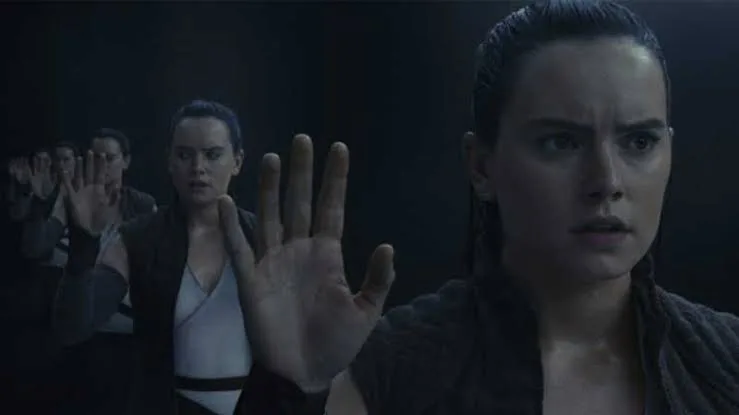
Filmmakers build visual motifs through deliberate recurrence. A cracked teacup appears in Act One and returns in Act Three. A doorway frames a character at three key moments. These choices accumulate meaning without a single line of exposition.
Costume, production design, color grading, and choreographed events all serve as carriers. David Fincher, Wes Anderson, and Guillermo del Toro are well known for building entire visual languages this way—each frame reinforcing the same underlying concern.
Sound and musical motifs
The same principle applies to audio. A short melodic fragment, sometimes called a leitmotif, can follow a character across scenes and tell the audience more than dialogue ever could. Think of the two-note shark theme in Jaws or the sweeping fanfare tied to a villain's entrance.
Even non-musical sound—footsteps, a ringing phone, wind against a window—can function as an auditory motif when repeated with purpose. Sound designers now routinely weave these cues into the mix to create subliminal continuity.
Why repetition separates a motif from a metaphor
Here is the boundary that matters most: one instance is never enough. If a symbol appears only once, it functions as metaphor or imagery. The moment you repeat it—twice, three times, across acts—you have created a motif.
Each recurrence adds weight. The audience begins to expect the pattern, and that expectation itself becomes part of the storytelling. Subverting the pattern later hits harder because the viewer has already internalized its significance.
Theme and motif explained side by side
A theme is the abstract idea you want the audience to walk away with—loss, redemption, the corruption of power. A motif is the concrete vehicle that carries that idea through the film.
You can write a thematically rich movie without relying on recurring symbols, but most powerful stories use motifs to make their themes felt rather than stated. The difference between a story that merely describes grief and one that makes you experience it often comes down to whether the filmmaker found the right repeated element.
Motif examples from film and literature
Consider the rose in William Shakespeare’s Romeo and Juliet. Each petal that falls marks a step toward tragedy, turning a flower into a countdown. In American Beauty, a plastic bag caught on a chain-link fence becomes an unexpected meditation on beauty itself. The same object category—a flower—serves two entirely different thematic purposes depending on context.
Filmmakers range widely in how overt they make their motifs. Jojo Rabbit uses visual irony so plainly that viewers cannot miss it. Other directors embed their motifs in background details, rewarding rewatchers who notice things they overlooked the first time.
Frequently asked
How many times must an element appear before it counts as a motif?
There is no strict minimum, but two or more deliberate appearances across different scenes is the general threshold. One occurrence is symbolism; multiple occurrences organized around a pattern become a motif.
Can a motif appear in sound without any music involved?
Absolutely. Footsteps, ambient noise, a recurring mechanical sound, or even silence itself can operate as a sound motif when it repeats with meaningful variation throughout the story.
Is it a problem if the audience does not consciously notice the motif?
Not necessarily. Many of the most effective motifs work on a subconscious level. Audiences often feel the resonance of a recurring element without being able to articulate what it is, which means the motif is doing its job.
What is the difference between a motif and a recurring visual gag?
A motif always serves the theme. A visual gag exists primarily for humor. When a repeated element deepens meaning rather than simply eliciting laughter, it has graduated from gag to motif.
Do low-budget films benefit from using motifs?
Yes. Motifs rely on writing, editing, and design choices—not expensive effects. A single recurring object or line of dialogue can carry enormous thematic weight on any budget, making them especially valuable for independent and low-cost productions.