
The quick answer
Track limited, series, and definition as the shoot moves so small overages show up before they turn into end-of-week surprises.
A limited series is a scripted television program with a predetermined number of episodes designed to tell a complete, self-contained story. Typically running between four and ten episodes, this format features a carefully plotted beginning, middle, and end established long before production begins.
Unlike traditional episodic television, which relies on open-ended arcs and ratings-driven renewals, a limited series is conceived with a fixed endpoint in mind. There is no narrative padding, no filler episodes, and the creative team usually maps out the entire season trajectory before filming starts.
This guide breaks down exactly what defines the limited series format, how it evolved from the classic miniseries, why it dominates modern prestige television, and which landmark shows demonstrate the power of a tightly paced, finite narrative.
The fastest production documents are the ones nobody has to explain twice.

Watch the workflow
Do you know the Definition of Limited Series Josh? #podcast
traindreams #limitedseries #podcast #clips #comedyshorts #comedy #funnyshorts #funnymoments.
Defining the Format and Core Characteristics
At its foundation, a limited series operates as a closed narrative loop. While traditional network television historically ran on 22-episode seasons built to sustain viewer habits indefinitely, limited series are engineered to deliver a complete story within a single run. This fixed container eliminates filler, ensuring every scene and subplot advances the central arc toward a planned conclusion.
The format thrives on precision. Because creators know exactly where the story ends before they shoot the first episode, pacing remains tight and thematic resonance stays consistent. There is no need to manufacture cliffhangers for future seasons or stretch character arcs beyond their natural lifespan.
This structural discipline appeals to both writers and audiences looking for high-impact television. Rather than committing to years of ongoing storytelling, limited series offer a concentrated viewing experience that rewards attention and delivers satisfying closure.
From Miniseries to Limited Series: A Brief Evolution
The terminology surrounding finite television has shifted alongside broadcasting technology. "Miniseries" originated in the linear cable era, referring to short runs of two to six episodes broadcast over consecutive nights to create must-see television events. Groundbreaking adaptations like Roots (1977) and The Thorn Birds (1983) proved that condensed storytelling could captivate mainstream audiences and drive cultural conversation.
Today, the industry has largely adopted the term "limited series" to describe the same concept across both broadcast networks and streaming platforms. The shift reflects changes in distribution models, audience consumption habits, and award categorization. The Television Academy now groups the format under a single Emmy category: "Limited or Anthology Series. "
While casual viewers and industry professionals use both terms interchangeably, understanding the historical transition helps clarify how streaming-era production practices have modernized a once-event-driven format into a staple of contemporary television.
Release Strategies and Viewer Pacing
How a limited series drops plays a major role in shaping audience engagement. Streaming platforms frequently release all episodes simultaneously to encourage binge-watching, capitalizing on the format's tightly woven narrative structure. This approach allows viewers to immerse themselves in the story without waiting weeks between developments.
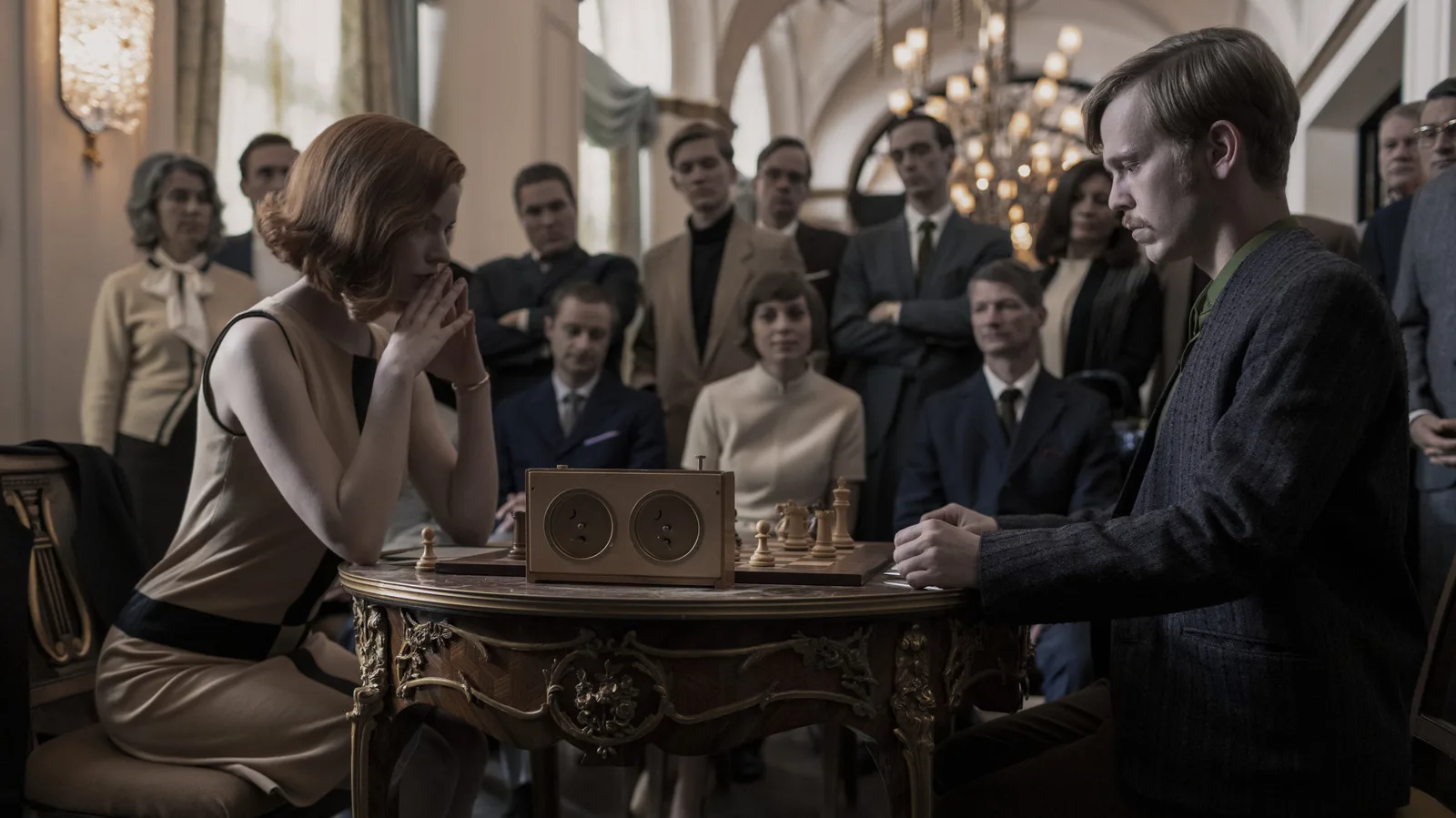
Alternatively, many acclaimed limited series opt for a weekly rollout. Releases like Chernobyl and The Queen's Gambit used staggered scheduling to extend cultural discussion, build anticipation, and allow each episode's themes to resonate before the next one premiered.
The choice between all-at-once and weekly delivery ultimately depends on the story's rhythm and the platform's strategy. Both methods leverage the finite nature of the format, ensuring that pacing remains intentional rather than stretched thin across years of production.

Creative Structure and the Showrunner’s Blueprint
Writing for a limited series requires a fundamentally different mindset than crafting ongoing episodic television. In the traditional network model, success hinged on building a durable "story engine" capable of generating fresh conflicts across five or more seasons. Limited series operate on the opposite premise: the destination is known from day one.
Showrunners map the entire narrative arc during development, ensuring that every episode serves a clear purpose. Midpoint twists, character deaths, and emotional payoffs are strategically placed to maintain momentum toward the finale. This forward-planning eliminates the risk of narrative drift or creative burnout that often plagues long-running shows.
The result is a highly disciplined script process. Writers room conversations focus on tight scene construction, thematic consistency, and payoff execution rather than brainstorming endless plot extensions. Audiences feel the difference in the final product.
Renewal Models and the Anthology Pivot
Traditional television relies on Nielsen ratings, subscriber retention metrics, or test screenings to decide whether a show earns another season. Limited series bypass this uncertainty entirely by securing a full upfront order. Networks and streamers know exactly how many episodes will air and when the story will conclude.
When a limited series achieves massive critical or commercial success, the format often adapts rather than extends. Instead of forcing a finite story into an indefinite run, producers frequently reboot the concept as an anthology. Each new season introduces a fresh cast, location, and narrative premise while retaining the core creative vision.
This anthology model preserves the format's integrity while capitalizing on brand recognition. Shows like True Detective and The White Lotus demonstrate how limited series can evolve into long-running franchises without sacrificing their signature self-contained structure.
Key Examples and Narrative Subgenres
Limited series excel in genres that benefit from deep investigation rather than broad expansion. True crime adaptations, literary reimaginings, and historical dramas thrive in the format because they prioritize factual accuracy, atmospheric tension, and character psychology over serialized mystery boxes.
American Crime Story: The People vs. O. J. Simpson dissected a single high-profile case through multiple perspectives, proving how narrow focus can yield profound insight. Similarly, Making a Murderer and The Staircase demonstrated that documentary-style storytelling benefits immensely from a compressed runtime that maintains investigative momentum.
These examples highlight why the format has become a powerhouse for prestige television. By committing to a single event, person, or phenomenon, limited series deliver concentrated storytelling that resonates longer than sprawling multi-season arcs.
How to Determine if a Story Fits the Limited Series Format
Not every concept belongs in a limited series. The most effective way to evaluate a project is to ask whether the narrative naturally concludes within a single season. If your story requires unresolved threads, generational expansions, or recurring villain rosters, traditional episodic television may serve it better.
Limited series demand a clear endpoint. If you cannot articulate how the story resolves in the finale, the format may force artificial conclusions that disappoint audiences. Conversely, stories built around a specific mystery, historical moment, or character transformation align perfectly with the constrained runtime.
Testing your premise against the format's strengths ensures creative alignment. When the narrative engine naturally exhausts itself within four to ten episodes, the limited series structure amplifies tension, sharpens pacing, and delivers maximum impact.
- ▸Does the story resolve completely within a single season?
- ▸Can the central conflict sustain focused attention without requiring endless escalation?
- ▸Is the creator comfortable planning the finale before writing episode one?
Final Considerations for Creators and Viewers
Understanding what makes a limited series distinct from other television formats empowers both creators and audiences. For writers, it means embracing structural discipline and resisting the urge to pad narratives. For viewers, it guarantees a cohesive experience where every episode builds toward a deliberate conclusion.
The rise of streaming has transformed limited series from occasional broadcast events into a dominant programming pillar. Networks recognize that finite storytelling reduces financial risk while maximizing critical acclaim and awards potential.
Whether you're developing a pitch, planning a viewing schedule, or analyzing modern television trends, the limited series format offers a reliable framework for delivering complete, impactful stories. The key lies in matching the right narrative to the right container.
Frequently asked
What exactly defines a limited series?
A limited series is a scripted television program with a predetermined number of episodes (typically 4–10) that tells a self-contained story with a planned beginning, middle, and end.
How does a limited series differ from traditional episodic television?
Unlike ongoing series that rely on open-ended arcs, filler episodes, and ratings-driven renewals, limited series are ordered upfront, contain no padding, and conclude definitively within their initial run.
Can a successful limited series be renewed for additional seasons?
Yes, but it rarely continues the same story. Successful limited series typically return as anthologies, introducing new casts, locations, and plots while preserving the original creative vision and format.