
The quick answer
Track write, villain, and traits as the shoot moves so small overages show up before they turn into end-of-week surprises.
What makes a villain unforgettable? It’s rarely just their cruelty or screen time. It’s the psychological architecture beneath their actions. This guide breaks down how to write a villain with depth, exploring the essential traits, driving motivations, and craft decisions that separate a memorable antagonist from a flat plot device.
At its core, a villain is a character whose goals, methods, or values place them in direct opposition to your protagonist. Unlike a general antagonist—a force that simply opposes the hero—a villain actively creates harm through manipulation, corruption, or violence, all while believing their actions are justified within their own worldview.
Writing one well requires moving beyond tropes and digging into emotional logic. When you understand how a villain thinks, rationalizes, and protects their identity, you’ll craft characters who feel human, inevitable, and dangerously compelling.
The fastest production documents are the ones nobody has to explain twice.

Watch the workflow
How to write a convincing Villain
How to write a convincing Villain: #anime #villian #character.
Distinguish the Antagonist from the Villain
Before drafting a single scene, clarify the difference between an antagonist and a villain. An antagonist is any character or force opposing your protagonist. A villain is a specific type of antagonist whose methods create genuine harm—through violence, manipulation, or destruction—while operating under a personal moral code that they believe justifies those actions. This distinction dictates the stakes of your story and the weight of the conflict.
The most memorable villains feel psychologically complete from the moment they enter the narrative. Consider Hannibal Lecter in The Silence of the Lambs: despite appearing for only about twenty-four minutes, he is widely ranked by the American Film Institute as the greatest screen villain of all time. His impact isn’t built on screen time; it’s forged through undeniable psychological presence, sharp intellect, and an unsettling calm that commands every frame he occupies.
- ▸Define whether your opposing force is merely an obstacle (antagonist) or an active threat with malicious intent (villain).
- ▸Establish the villain’s moral framework early so their actions feel intentional, not random.
- ▸Ensure their presence raises the psychological stakes for the protagonist, even in short appearances.
Build Emotional Logic and Internal Coherence
A believable villain operates according to recognizable emotional logic. They pursue clear goals. They rationalize their behavior. They fiercely protect their identity. Audiences may reject their methods, but they will always understand the internal reasoning behind them. If a character’s actions contradict their established psychology without cause, the illusion shatters instantly.
This emotional coherence is why mechanical villains fail. A character who exists solely to trigger a plot twist or block the hero’s progress feels hollow. In contrast, a villain whose behavior emerges organically from personality flaws, ideological conviction, deep insecurity, or past emotional wounds feels deeply human. Their tragedy often mirrors the hero’s journey, creating a tense, reflective rivalry.
- ▸Map out the villain’s core wound or fear and trace how it fuels their present actions.
- ▸Write their justification for every major decision as if defending it to a jury.
- ▸Cross-check their dialogue and behavior to ensure consistency with their internal logic.
Study Screen-Tested Examples That Work
Cinema understands psychological impact instinctively. Hans Gruber in Die Hard transforms a contained action setup into a battle of intelligence, ego, and adaptability. His cool demeanor and tactical precision make him more terrifying than a brute-force enemy. Similarly, Anton Chigurh in No Country for Old Men turns philosophical fatalism into visceral horror. These characters endure because their psychology dictates every interaction, environment, and scene they inhabit.
Learning how to write a villain means studying how people justify harm, rationalize obsession, and transform personal trauma into ideology. The strongest antagonists aren’t random obstacles; they are fully realized humans with desires, contradictions, and a twisted moral compass. When you anchor your villain to real behavioral patterns, their menace becomes inescapable.
- ▸Analyze at least three iconic villains across different genres to identify recurring structural beats.
- ▸Note how their environment reacts to their presence—do allies fear them? Does the world bend around their will?
- ▸Extract the specific dialogue rhythms or physical tells that reinforce their psychological state.
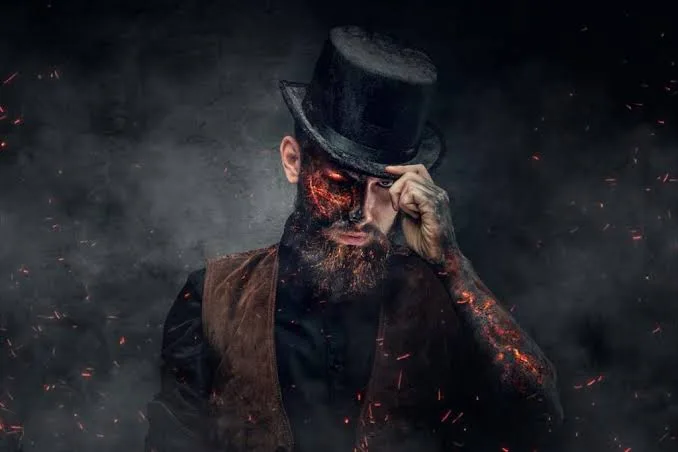
Clarify Goal Versus Motivation
The single most important element in crafting a compelling antagonist is understanding the difference between goal and motivation. A goal is what the villain wants to achieve externally (stealing the bonds, eliminating the hero, seizing control). Motivation is the internal driver—the psychological need, trauma, or belief system that compels them to pursue that goal relentlessly.
A villain with a clear goal but no motivation becomes a plot device. A villain with both becomes a character. Hans Gruber’s goal is straightforward: rob Nakatomi Plaza. But his motivation runs deeper—he craves respect, thrives on outsmarting systems, and masks mercenary greed behind the performative veneer of political extremism. That gap between surface objective and inner drive is where your story’s tension lives.
- ▸State the villain’s external goal in one clear sentence.
- ▸Define the internal motivation using emotional or psychological terms, not just surface desires.
- ▸Create at least two moments in your outline where the goal and motivation visibly clash or align.
Avoid Common Tropes and Shallow Conflicts
Most weak villains suffer from the same flaw: they are written as obstacles rather than people. When a villain feels shallow, the central conflict collapses with them. The antagonist sets the ceiling for the hero’s journey; if the opposition lacks depth, the protagonist’s growth will too. Memorable films and television shows survive because their antagonists are equally complex.
Steer clear of cruelty for cruelty’s sake, silent brooding without subtext, or monologuing that explains the plot instead of revealing character. Instead, focus on specificity. Give your villain a hobby, a loyalty, a blind spot, or a moment of vulnerability that doesn’t excuse their actions but humanizes them. Audiences remember characters who surprise them, not cardboard cutouts who exist solely to lose.
- ▸Remove any trait that exists purely to intimidate rather than reveal character.
- ▸Replace generic evil with specific, grounded desires that conflict with the hero’s values.
- ▸Ensure the villain has strengths that genuinely threaten the protagonist’s core beliefs or skills.
Refine Before You Commit to Scenes
Finish your character development with a concrete check that translates directly to the page. Keep your notes tied to visible details rather than abstract promises. Ask yourself: Can I show this villain’s motivation in action? Does their dialogue carry subtext? Are their methods distinct from the hero’s?
If your villain still feels vague, reduce them to one immediate next action and one reason to hesitate. Write a five-page sequence where they navigate a crisis without the protagonist present. Watch how they solve problems, who they sacrifice, and what lines they refuse to cross. That standalone vignette will reveal whether your antagonist has legs or needs more scaffolding.
- ▸Draft a short scene where the villain operates alone to test their decision-making process.
- ▸Audit their dialogue for repetition; unique cadence prevents them from blending into other roles.
- ▸Verify that their defeat, should it come, feels earned by the story’s internal rules, not convenient timing.

Turn Your Character Notes Into a Working Writer’s Checklist
A villain draft is only useful when you can translate it into actionable writing sessions. Before moving forward, read your character profile against the actual narrative arc and mark anything that still depends on an unanswered question. Development requires iteration, and clear checkpoints prevent last-minute rewrites.
The practical pass is simple: compare your character sheet against the beat sheet, location tone, supporting cast dynamics, and pacing expectations. If one note would make you stop mid-scene to figure out why they’re acting out of character, rewrite that line before you commit it to the script.
- ▸Align the villain’s arc with the protagonist’s turning points to ensure escalating stakes.
- ▸Assign a specific narrative function to each major appearance (reveal, threat, misdirection, etc. ).
- ▸Remove any backstory detail that doesn’t directly influence present-day choices or dialogue.
Review Your Draft Like a Reader or Director Would
The final quality check for your villain isn’t whether the character sheet looks polished. It’s whether a director, actor, or reader can grasp their core drive quickly without needing a footnote. That means motivations, relationships, boundaries, and behavioral tells need to be clear enough to survive a fast-paced reading.
A useful last pass is to scan the villain’s arc from the point of view of the newest reader in the room. If a note assumes private knowledge or contradicts an earlier trait, fix it immediately. Consistency builds trust; confusion breaks immersion. When the pieces align, your antagonist stops being a hurdle and starts being the heartbeat of the conflict.
- ▸Read the full draft aloud to catch rhythmic inconsistencies in how the villain speaks and acts.
- ▸Check that their methods, alliances, and limitations agree with the established world rules.
- ▸Keep one clean master profile so your writing team isn’t working from conflicting references.
Frequently asked
What is the main point of writing a compelling villain?
The goal is to create a psychologically coherent antagonist whose goals, methods, and moral convictions directly challenge the protagonist. A well-written villain feels inevitable, human, and dangerously logical, rather than existing merely as an obstacle.
How do I distinguish between a villain's goal and their motivation?
A goal is the external objective they want to achieve (e. g. , steal the artifact, eliminate the rival). Motivation is the internal psychological driver behind it (e. g. , trauma, ideology, fear of irrelevance). Clarifying both ensures the character acts consistently and carries emotional weight.
When should I pause developing a villain before writing scenes?
Pause if the character’s actions rely on unexplained backstory, contradict their established moral code, or serve only to advance the plot without adding thematic depth. A villain should only move forward when their internal logic and external objectives clearly intersect.