
The quick answer
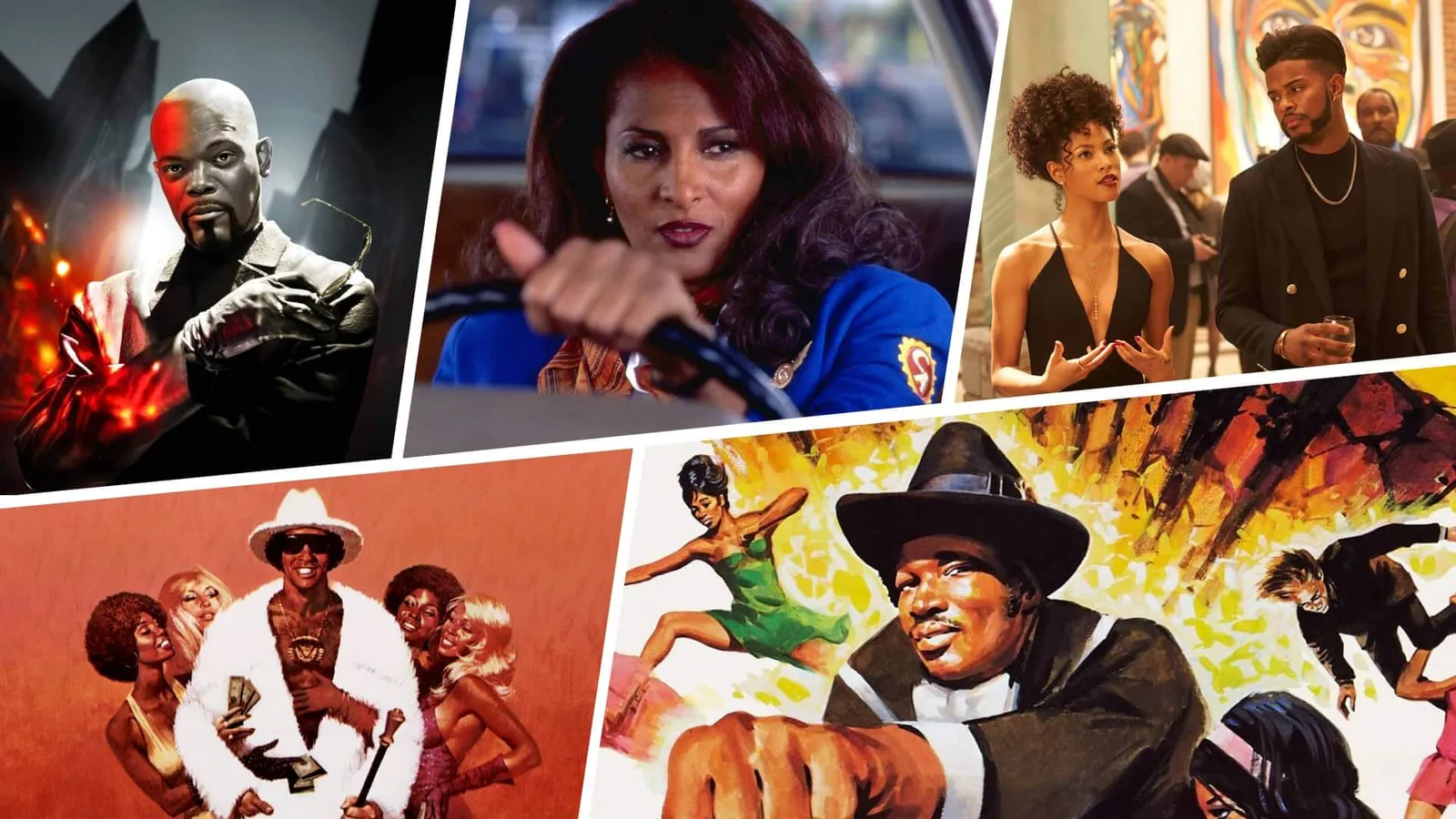
Black exploitation films were arguably the most important sub-genre to come out of the entire Grindhouse film movement. The films of the black exploitation movie era hold a special place in history. Join us in celebrating the best blaxploitation movies ever made.
Black exploitation cinema emerged as arguably the most consequential offshoot of the Grindhouse movement, carving out a distinctive cultural space that continues to resonate with audiences and filmmakers decades later. These provocative pictures told stories that major studios were still hesitant to greenlight, giving screen presence to communities and perspectives rarely seen on the big screen.
Within that wider movement, a handful of horror-tinged entries stand out for their audacity and imagination. Ganja and Hess remains one of the most striking examples — a film that reimagines classic vampire mythology through a bold creative lens while also holding enormous significance for the broader tradition of Black horror cinema.
A useful film guide makes its subject clearer through specific examples, not broad labels.
Watch the workflow
10 Underrated Blaxploitation FILMS Not To Be MISSED | Forgotten Retro Gems
10 Underrated Blaxploitation FILMS Not To Be MISSED | Forgotten Retro Gems Discover 10 Underrated Blaxploitation Films ...
Ganja and Hess: An Atmospheric Vampire Reimagining
Ganja and Hess operates as a deeply atmospheric pseudo-vampire picture that pulses with visual invention. Its imagery stands as one of the strongest assets, transforming familiar genre conventions into something refreshingly original. The editing, however, sometimes drifts without clear focus, which can leave viewers feeling untethered.
Viewers should exercise caution when tracking down a copy, since the film exists in numerous alternate cuts under different names. Heavily trimmed versions circulate under the titles Blood Couple and Double Possession, so seeking out the complete cut is essential for the full experience.
Spike Lee Keeps the Story Alive
For audiences drawn to the Ganja and Hess narrative but preferring a contemporary perspective, Spike Lee’s 2014 adaptation Da Sweet Blood of Jesus offers a compelling alternative. Though it initially faced mixed reception, the remake breathes new energy into Bill Gunn’s original material and ranks among Lee’s most accomplished works.
Blacula: Royal Vampire Stalking Modern Los Angeles
Blacula may lack the polished sheen of the most celebrated Dracula adaptations, but that raw quality is precisely part of its charm. William Marshall delivers a performance full of dignity and weight as the titular vampire, a 18th-century African king cursed by none other than Count Dracula himself. Now he prowls the neon-lit streets of contemporary Los Angeles, driven by an insatiable hunger.
The film’s strengths lie in Marshall’s commanding lead turn, some genuinely impressive practical effects for its budget tier, and a brooding sense of gravitas rarely afforded to Black leads in genre pictures of the era. Its weaknesses lean toward cheese and a supporting cast that struggles to match the lead's intensity.
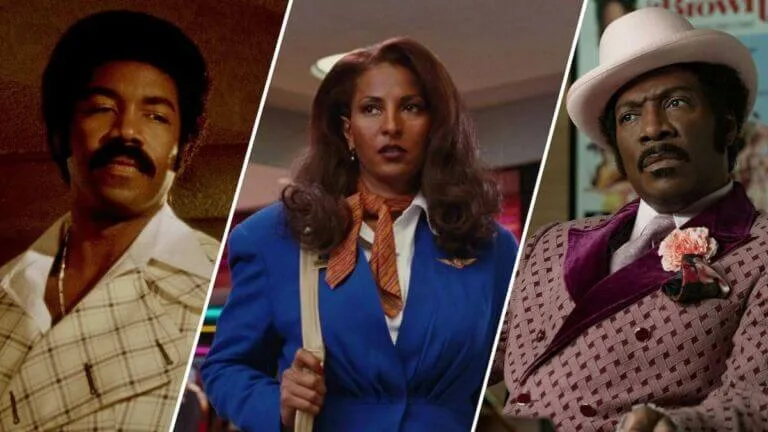
Cleopatra Jones: The Soul Sister’s Answer to James Bond
Cleopatra Jones represents one of the many blaxploitation pictures that placed Black women front and center as action heroes — a radical move at a time when Hollywood remained deeply reluctant to hand leading roles to either women or African American performers. The story follows the title character as a US special agent waging a brutal campaign against the drug trade.
Technically, the film doesn't break new ground, but its empowering core elevates the entire experience. Cleopatra Jones stands as a classic example of how a powerful message can carry a picture beyond its production limitations.
The Mack: Crown Jewel of Pimp Cinema
The Mack chronicles the rise of an ex-convict who climbs to the pinnacle of the pimping world, all while the narrative weaves in pressing social concerns — prostitution, substance abuse, street violence, and echoes of the Civil Rights Movement. Often hailed as the definitive entry in the pimp movie subcategory, which recurs throughout blaxploitation cinema of the 1970s.
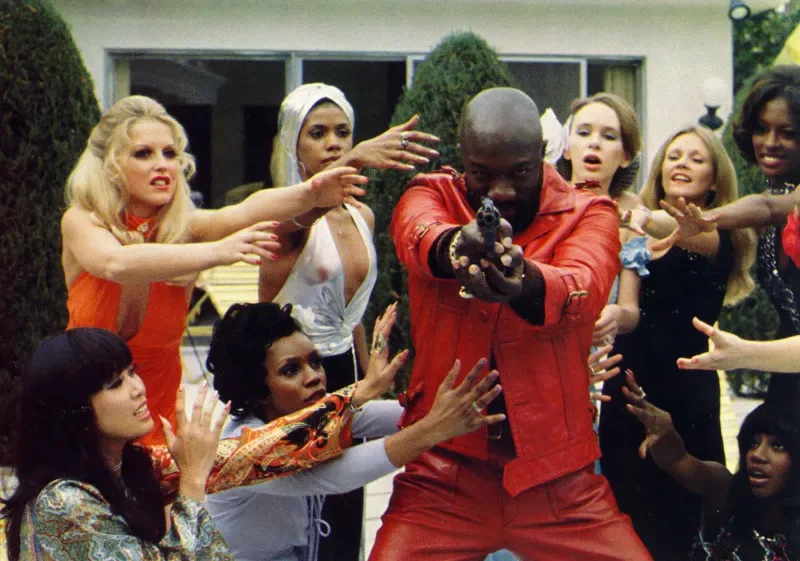
Legendary soul singer Isaac Hayes commands the screen as Mac 'Truck' Turner, a former football player turned bounty hunter meting out his own brand of street justice across the gritty Los Angeles landscape. Though Hayes is best remembered for his musical legacy, his ties to blaxploitation run deep. Fans can catch him in Tough Guys or hear his unmistakable voice in the legendary Shaft theme.
What Makes These Films Endure
The best blaxploitation pictures of the 1970s share a common thread: they refused to wait for permission. Whether tackling vampire folklore, spy thrillers, or urban crime dramas, these films brought energy, style, and cultural specificity that mainstream cinema simply could not match. Their rough-around-the-edges quality is not a flaw — it is their signature.
Ganja and Hess proves that the genre could handle elevated, artistic ambitions. Blacula demonstrates that a low-budget horror picture could still deliver genuine scares and emotional depth. Cleopatra Jones showed that Black women could carry action spectacles. The Mack revealed that the genre could tackle real social issues while remaining thoroughly entertaining.
Frequently asked
Is Ganja and Hess worth watching despite its editing issues?
Absolutely. The film's creative imagery and atmospheric ambition more than compensate for its occasionally unfocused editing. It remains one of the most important entries in both blaxploitation and Black horror cinema. Just make sure you find the complete cut rather than one of the heavily edited versions released as Blood Couple or Double Possession.
How does Spike Lee's Da Sweet Blood of Jesus compare to the original?
Released in 2014, Spike Lee's remake brings a fresh visual and narrative approach to Bill Gunn's original story. While it faced a mixed reception upon release, it is now regarded as one of Lee's stronger films and offers a worthwhile modern reinterpretation of the Ganja and Hess tale.
Is Blacula better than traditional Dracula movies?
Blacula is rougher around the edges than the most polished Dracula adaptations, but that raw energy is part of its appeal. William Marshall's dignified, gripping performance and the film's impressive practical effects give it a unique identity. It stands as one of the finest blaxploitation horror entries ever made.
What makes Cleopatra Jones significant for the genre?
Cleopatra Jones is significant because it placed a Black woman in a badass leading role at a time when Hollywood was still largely hesitant to offer major parts to women or African Americans. The empowering message behind the action elevates the film well beyond its technical limitations.
Why is Isaac Hayes connected to blaxploitation cinema?
Isaac Hayes is deeply connected to the genre both as a performer and a musician. He stars as Mac 'Truck' Turner in The Mack and delivered the iconic theme song for Shaft. He also appeared in Tough Guys, further cementing his place in blaxploitation history alongside his legendary soul music career.